Labour Pains Overwhelmed My Senses

My cousin went into labour early Wednesday morning when her water broke weeks ahead of her due date. She called me at about 5:30 AM panicked. She needed help and her partner is no longer there. More importantly, my cousin wanted me present at the birth. I had to put my pain aside to help her as much as I could. I was able to sleep for a couple more hours, eat something, and then I dressed and made my way to the hospital around 10:30 AM. Even though I was in a lot of pain as I traveled to the hospital by taxi, I knew how important it was that I be there for her. When I got to the hospital, she had her midwives assisting her – I felt like I could use some medical assistance myself. The midwives were monitoring the baby’s heartbeat and making sure my cousin or the baby didn’t experience any significant medical distress. Two of my cousin’s work colleagues were also there. They helped sort out the childcare arrangements. They took my cousin’s 2-year-old to her best friend where he would be cared for for the day; and brought her 5-year-old to the hospital so she could be a part of the birth experience.

As the day progressed, although my cousin’s contractions became stronger, the birth was not moving forward as quickly as the midwives expected since her water broke so early in the morning. This became a concern because the baby was pre-mature – I learned that if a pre-mature baby is not delivered soon after the mother’s water breaks the baby is at risk of developing an infection. To help things along, the midwives gave my cousin a dose of oxytocin. This is a form of inducing labour where the “midwife starts with a small dose [of oxytocin] and gradually increases it until your contractions are strong and frequent enough for your baby to be born.” The oxytocin started to work a short while after the midwife put it in her IV, but not enough to coax the baby out.

The strength and frequency of my cousin’s contractions didn’t increase significantly until early evening. When they did, the midwives helped my cousin into a bathtub of warm water so she could cope better with the pain. I couldn’t help thinking how nice it would be for me to get in that tub, have warm water showered on my body, and two people massaging my pains away. However, in that moment, I had to focus on my contribution to my cousin’s comfort, which was stroking her hair, feeding her ice chips and water, letting her squeeze my hand during contractions, telling her encouraging words, and wiping her tears as she pleaded for the baby to come out. I wished there was something I could do to grant her wish, but all we could do was wait for the baby to be ready. Unfortunately, he continued to take his sweet time and – as children do – his siblings, who had waited for his arrival, became more tired and irritable as the time ticked on. Hours past their bedtime, they were sent home to bed, but not without a struggle. They wanted to stay with their mother and to meet their new brother or sister, so they cried heartbreakingly loud when they had to leave.

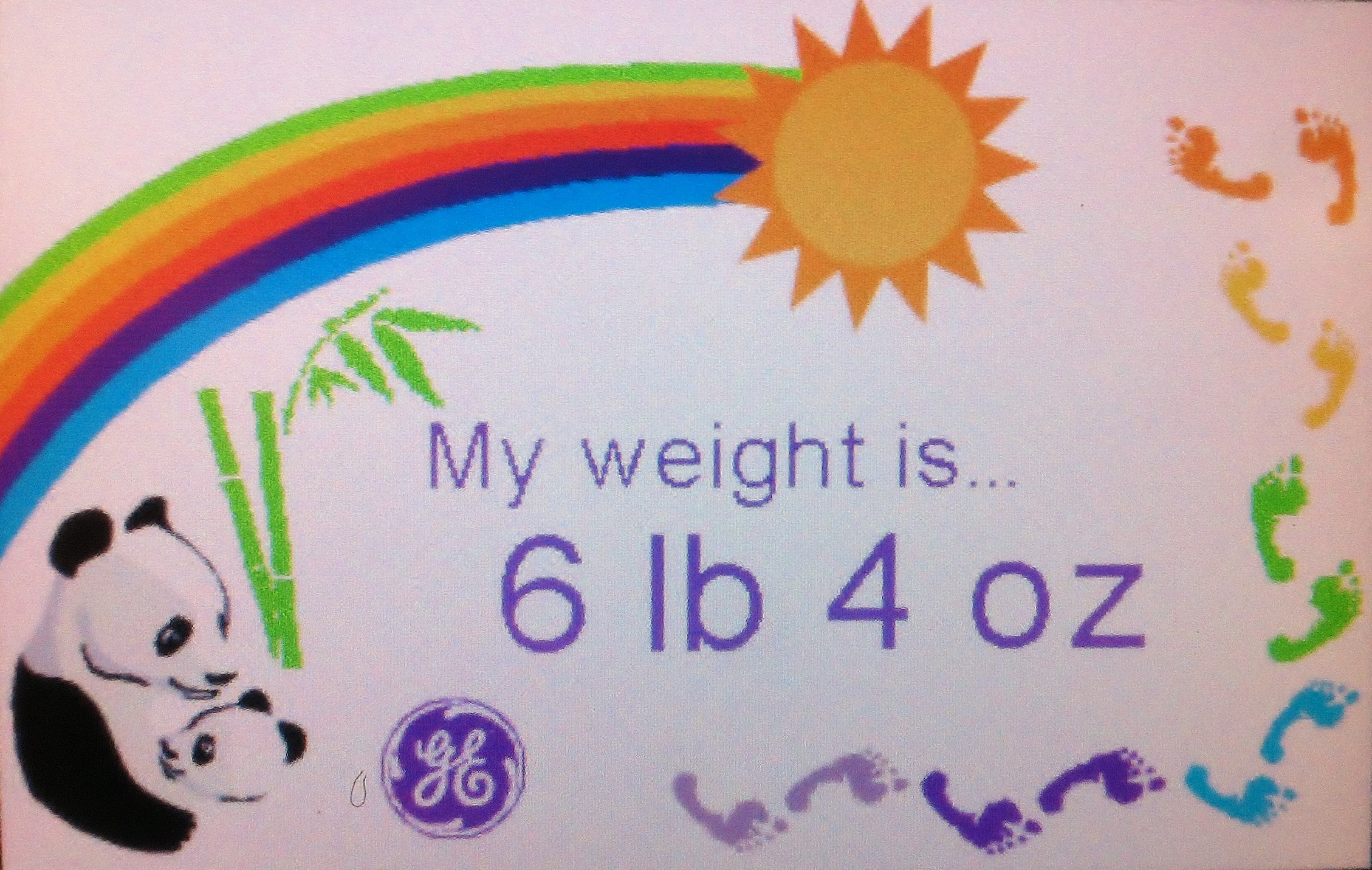
Finally, at about 10:30 PM Wednesday night, I had the honour of witnessing a new life miraculously push his way into the world. My eyes filled with tears. I was the only family member there to hear him cry for the first time, at what I can only imagine was the shock of so abruptly leaving the weightless, warmth and comfort of his mother’s belly. I was the first one to see his mother hold him closely to her breast. I was there to watch as the midwives guided the placenta out of my cousin’s womb, and then see my cousin cut her baby’s umbilical cord, essentially sealing the permanence of his entry into the world. After the cord cutting, the midwives weighed him. For a pre-mature baby he weighed in at just over six pounds, which is a very healthy weight for a baby born so early.
Labour Pains Overwhelmed My Senses

After his weighing, I watched my cousin feed her baby by breast for the first time. It was amazing to watch him suck her breast as if he’d always done it. When he finished feeding the midwives set about completing all the checks needed to make sure he was fully healthy. My cousin honoured me further by allowing me to be the first person to dress his tiny body. I did that more carefully than I’ve done anything my entire life being mindful to support his head and gently guide is fragile limbs into his clothes. Then I sat holding him snuggly wrapped in a blanket for the first time. He shut his dark eyes and fell asleep in my arms. I watched him sleep then dozed off too, while the midwives took care of his mother, bathing and dressing her to leave the labour room for the maternity recovery ward where they would stay for a few days because of the baby’s pre-mature arrival.

As much as my cousin needed me to support her on Wednesday, she gave me something priceless in return. I witnessed a birth and held a new life in my arms. For those moments when I focused on my cousin and the baby, and all those wonderful firsts, I pushed away the thoughts of the pain filling my body. For those moments, something other than my pain overwhelmed my senses, and I can’t imagine anything more wonderful than that.


Rod Stewart – Forever Young


I Have No Ass

This may be the vainest thing I have or will ever write. I have no ass. I just discovered this while trying to find an outfit to wear to a family dinner later today. Since becoming ill my weight has fluctuated quite a bit. I’m a small woman to begin with – average height and slim athletic build – so losing weight is not something that I ever strived toward achieving. My weight has held steady all these years to what I weighed toward the end of high school and at university. I’ve always been active and never gone on a diet, but I’m always mindful that I can lose weight with a bad bout of the flu or extreme stress, so I’ve always tried to eat well. I’m also hypoglycemic, which adds another layer of concern about always keeping my body fueled.

Last year a friend I’ve known since university came to visit me while he was in town for a few days. He told me some months later that after he left my home he cried. He cried because of how thin I was from my illness. He said the shock of seeing me so thin and sickly overwhelmed him, and his emotions overcame him. It surprised me when he told me that and it frightened me a bit too. Surprised because in all the years I’ve known him he never once before told me of any situation that made him cry; and frightened because I obviously wasn’t seeing what everyone else was. I knew I’d lost weight because my clothes, especially my pants and jeans, didn’t fit well and I was always pulling them up, but I didn’t’ think I looked so thin it could evoke that kind of reaction from someone.

Now I’m not as thin as I was last year, but as I try to find something to wear, sorting through my clothes to find clothing other than jeans, sweat pants or shorts, it’s upsetting that I can’t find anything that doesn’t make me look like a pole. I’ve lost the shapeliness of my body. I no longer look fit and athletic. Realistically, I probably haven’t looked that way for a long time. The fact is, because of my pain I’ve been more concerned with comfort than looking attractive when I dress over the last couple of years, so noticing how my body looks as I try to find clothes that fit well today is a bit of a shock.

My body has changed so much and it happened right in front of my eyes without me noticing.


Thomas Rhett – South Side

Sow Together’s Shocking Suicide Statement

Last night I came across a blog posting that I suppose the author meant to be helpful to people feeling suicidal, and the families and friends who support them. Shockingly, the writer started with this statement

“Suicide is the ultimate act in selfishness.”

How the !@#$ is that supportive? Farther down in the post she writes, “My intent is not to rip on people who have these thoughts but to explain their thought process and how loved one’s can help.” Ripping on people who have these thoughts is exactly what she did with the opening statement, and it shows that she doesn’t understand the thought process of anyone who might feel suicidal. The post contained quotes from WebMD about mental illness and some basic psychological self-assessment tools about suicide. This information barely touches the surface of what someone who attempts suicide might feel or think.

I can’t remember the last time something I read made me this angry and feel the need to respond. I kept thinking about the opening statement as I continued to read the post. How can someone make such a harsh, judgemental statement and expect anyone who feels or has ever felt suicidal to keep reading. How could the writer expect someone who feels buried by the weight of depression and hopelessness, to see that shocking statement and feel comfortable reading further? To read on to learn what the writer considers helpful ideas about how to communicate with friends and family, when it feels like nothing but death can end the pain. How can the writer expect, someone like myself, who attempted suicide multiple times because I’m a survivor of horrendous, unspeakable things, to connect with anything she shares after that opening line.

The sad thing is that this isn’t the first time I’ve heard or read a statement like this. I’ve had the misfortune of sitting at a dinner table with people who openly stated that anyone who attempted or was successful at committing suicide is a weak coward. I felt myself shrink as the conversation continued around me. These people weren’t aware that I had attempted suicide. After hearing their callous, unfeeling, self-righteous statements about someone else’s suffering, I would never tell them about the pain I experienced that led me to believe that death was the only thing that could end my pain.

The people who make these statements don’t understand how hard it is to find resources; whether it is good doctors or therapists, or the right combination of medications to help someone who feels this kind of pain to cope. They don’t understand how deeply, someone living with depression, can feel shame because he or she believes they should be mentally stronger and tougher, and “snap out of it” because that’s the message sent by the society we live in. The people who make these statements don’t understand how hard it is to live day in and day out feeling detached from the world. Feeling like nothing you do can close the divide of the separation you feel from everyone in your life.

People who make these statements don’t understand hopelessness. They don’t understand someone feeling that he or she has tried everything in their power to get well, even when what they suffer from – bipolar disorder, schizophrenia, PTSD, depression, anxiety, or other mental health and chronic physical illnesses – has no cure and might only be manageable, at best. They don’t understand someone who has tried to “get over” whatever it is that hurt them. The thing that continues to split a person open over and over again because it has become part of their DNA. The people who make these statements don’t understand what it’s like to live feeling physical and/or psychological pain, shame, and self-blame for something you couldn’t stop from happening to you and now can’t control. They don’t understand how exhausting it is to live in a continuous state of hypervigilance because a disease or someone took away your sense of safety and well-being.

The writer who wrote, “Suicide is the ultimate act in selfishness,” needs to educate herself about why people attempt suicide rather than spouting off basic one-fits-all psychological information that she read on websites about how to prevent it.


Leona Lewis – Fireflies